Live browser check

See what your browser shares.

Your public IP, browser, screen and privacy signals—decoded as they appear to a normal website, without saving your diagnostic.

No accountLocal-firstNo saved results

Public connection

Your public IP addresses

IPv4Testing

Checking…

IPv6Testing

Checking…

Approx. locationChecking approximate location…
Network operator / ISPChecking…
ASNChecking…

This page connected over unknown. A missing family means it is unavailable on this connection or the family-specific check was blocked. The network name identifies the ASN operator and may differ from the company that bills you for internet service.

Browser security

Checking

Reading your browser version…

The result will appear as soon as your browser identifies itself.

Detected
Detecting…
Compared with
Loading official release data

Why updates matter: older browsers can miss fixes for malicious-page exploits, browser sandbox escapes and phishing protection.

Version check only: browsers usually expose the major version, not proof of the latest patch.

Most requested details

Your setup at a glance.

These values are read by your browser and update live when your window changes.

Browser

Detecting…

Screen resolution

Detecting…

Detecting… pixel ratio · Detecting…

Operating system

Detecting…

Device class

Detecting…

Browser viewport

Detecting…

Changes as you resize

Time zone

Detecting…

Detecting…

Primary language

Detecting…

Detecting…

Cookies

Disabled

Browser capability, not a cookie set by us

Focused checks

Go straight to the answer.

Popular checks appear first; deeper privacy and protocol details follow.

Privacy signals

What this page can see.

Useful context after the everyday IP, browser and screen checks above.

Portable summary

Take the signal with you.

Useful when a help desk asks which browser, device or screen you use.

Advanced browser signals

Signals under the surface.

ConnectionUnavailable
CPUUnavailable
Approx. memoryUnavailable
Touch points0
Graphics rendererUnavailable
Secure pageNo — HTTP
Browser update statusChecking
Global Privacy ControlNot sent
Do Not TrackNot sent
User agentDetecting…

What these signals mean

Visible is not the same as compromised.

A browser shares enough information to make websites work. Risk appears when many small signals are combined and stored over time.

Your IP is a return address

It identifies your internet connection and rough area. A VPN can replace the public IP a site sees, but does not make you anonymous by itself.

Small signals form a profile

Screen size, time zone, language and graphics hardware can help distinguish one browser from another—even without cookies.

Permissions are separate

Your exact GPS location, camera and microphone require browser permission. This diagnostic never requests them.

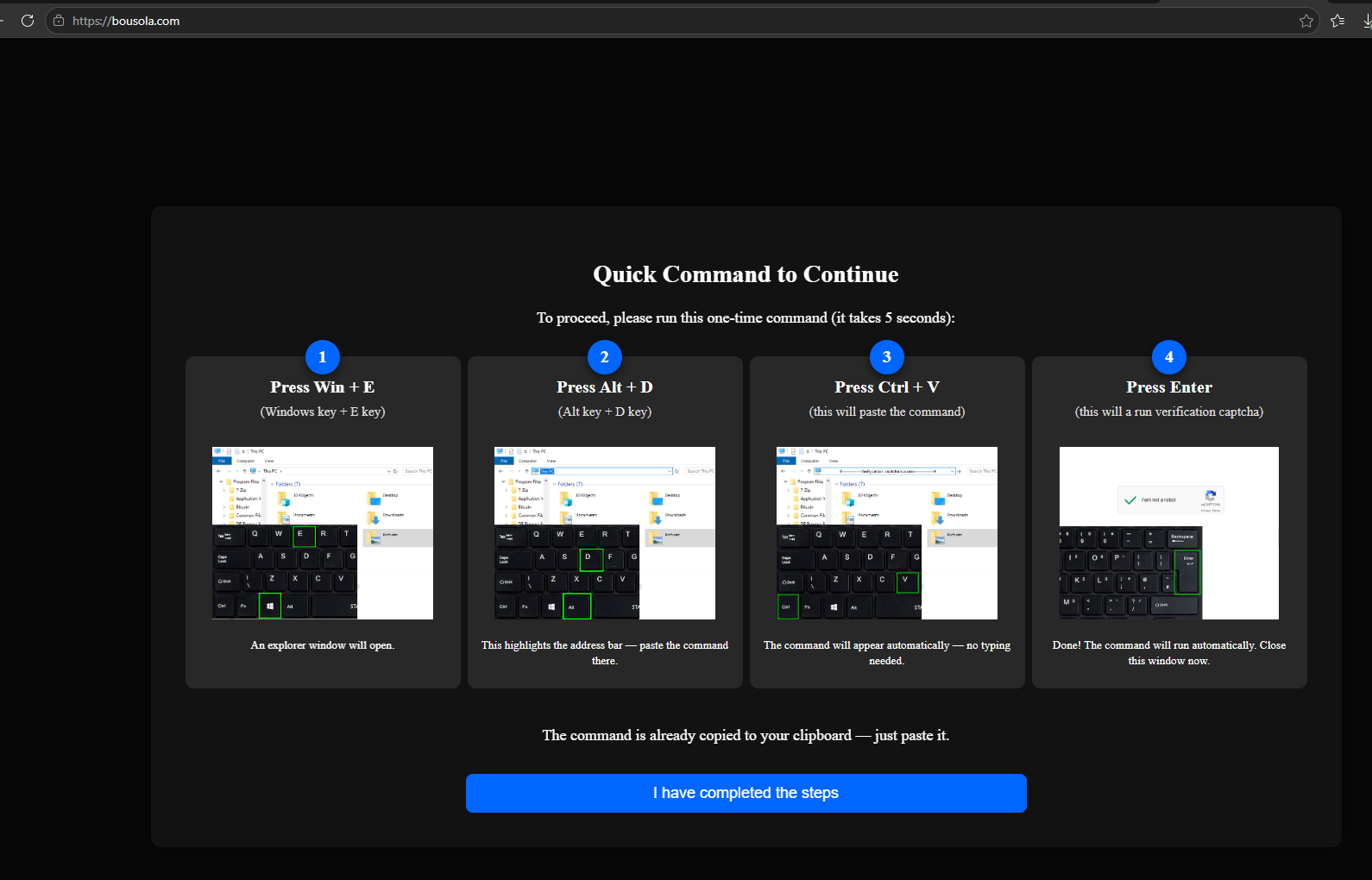
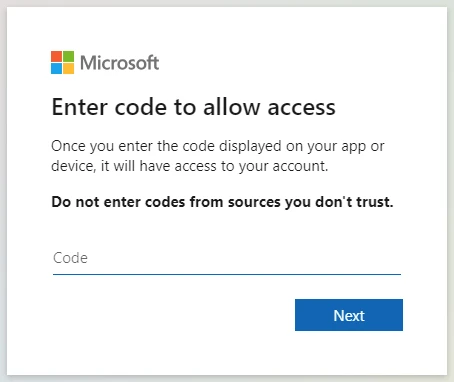
How attackers turn browser signals into a delivery decisionPhishing-kit filtering, ClickFix and infostealers—explained defensively →

Common questions

Things worth knowing.

What is my IP address?

Your public IPv4 and IPv6 addresses are tested separately at the top of this page. They are the addresses your internet provider or VPN presents to websites; some connections provide only one family.

Why can I see IPv6 but no IPv4?

Your device may be on an IPv6-only or IPv6-preferred connection, with IPv4 translated or shared by the provider. The IPv4-only check can also be blocked by a VPN, firewall, DNS filter or content blocker.

Can a website find my exact home address?

Usually no. IP geolocation commonly identifies a country, region or city and can be wrong. Exact location normally needs explicit device permission or information you provide.

Why does my IP change?

Many providers assign dynamic IPs. Switching networks, reconnecting your router, using mobile data or enabling a VPN can change the address websites see.

Does private browsing hide my IP?

No. Private browsing mainly limits history and cookies stored on your device. Websites and your network still see connection information.

Is my browser secure and up to date?

Version alone cannot prove a browser is secure. This check compares the major version your browser exposes with current official release data. Open the browser’s own update screen to confirm the latest security patch is installed, then restart the browser to apply it.

Does this page store my diagnostic?

No diagnostic history is created. Most values are calculated inside your browser. A server must briefly receive your IP to deliver any web page, including this one.

Useful? Help someone else understand what their browser reveals.